Ask The HairextreM
Request your free and individual hair analysis from HairextreM Team Simply send the form below and then send your photos.

When researching the right time for a hair transplant, many people ask the same question: should a hair transplant be done in winter? The winter months can be appealing, especially for people who want to fit post-procedure care more comfortably into their daily lives. That said, hair transplantation is not a procedure performed only in winter. The right timing is determined by considering the person’s health, the assessment of the hair and donor area, their work schedule and their aftercare conditions together.
Why Might the Winter Months Be Preferred?
Planning sun protection may be easier
After a hair transplant, the treated area needs to be protected. Plans such as summer holidays, spending long periods outdoors and exposure to strong sun can make it harder to follow aftercare instructions. People whose outdoor activities are more limited in winter may find it easier to fit the recovery period into their daily lives.
Even so, the winter sun is not completely harmless. Whatever the season, the recommendations of the medical team performing the procedure regarding sun protection should be followed.
It may clash less with sea and pool plans
In summer, the sea and the pool are part of many people’s holidays. When these activities can be resumed after a hair transplant is assessed according to the individual and their healing process. Someone who chooses to have the procedure in winter may find it easier to plan to complete the aftercare period before the summer holiday.
It may suit work and social schedules
Setting aside time for rest and care after a hair transplant is important. Some people can schedule their annual leave or quieter work periods in the winter months. This helps them follow the washing, check-up and care steps of the first days regularly. The amount of time off needed and the time to return to daily activities is not the same for everyone.
Some people want to follow hair growth before summer
The result of a hair transplant does not appear immediately. Shedding of the transplanted hairs may occur in the first weeks; it takes months for new hair to become visible. For this reason, some people who have the procedure in winter want to get through the first months of the growth process before summer arrives. This does not mean a definitive result will be achieved by summer: the speed of hair growth and the final appearance vary from person to person.
Is a Hair Transplant More Successful in Winter?
It would not be correct to say that the season alone increases the success of a hair transplant. The cause and course of hair loss, the condition of the donor area, individual planning, how the procedure is performed and the aftercare are more decisive. The possible advantage of winter is that, for some people, it makes it easier to organise aftercare conditions.
In cold weather, too, attention should be paid to daily habits. The decision on when and how to wear a beanie or other headwear should be made according to the medical team’s instructions, so that it does not put pressure on or rub the transplanted area.
Getting Information About Hair Transplantation in Avcılar
At our HairextreM office in Avcılar, Istanbul, you can discuss your questions about the hair transplant process and get information about the assessment steps. During the consultation, your hair loss history, your expectations and the suitability of your donor area are reviewed. The applicable method and the timing of the procedure are determined after a personal assessment.
Hair transplant procedures are performed in authorised healthcare facilities in accordance with the relevant regulations. Aftercare and follow-up recommendations are tailored to each person.
Frequently Asked Questions
Can a hair transplant be done in summer?
Yes. A hair transplant can also be planned in the summer months. What matters is choosing a period in which you can follow the aftercare instructions and the recommendations regarding activities such as sun exposure, holidays and sport.
Does hair grow faster after a hair transplant done in winter?
It cannot be said that the season alone speeds up hair growth. New hair takes time to appear and develop; the process varies from person to person.
Which month is best for a hair transplant?
There is no single month that suits everyone. The most suitable time is determined by taking into account a personal assessment and the time you can set aside after the procedure.
This content is for general information purposes only and does not replace a personal medical assessment.
Should you have a hair transplant in winter? Learn the possible advantages of the winter months for aftercare and planning, and how the right timing is determined.
Long eyebrow transplantation is a new-generation eyebrow design method in which donor hairs are transplanted uncut and at full length for the most natural result.
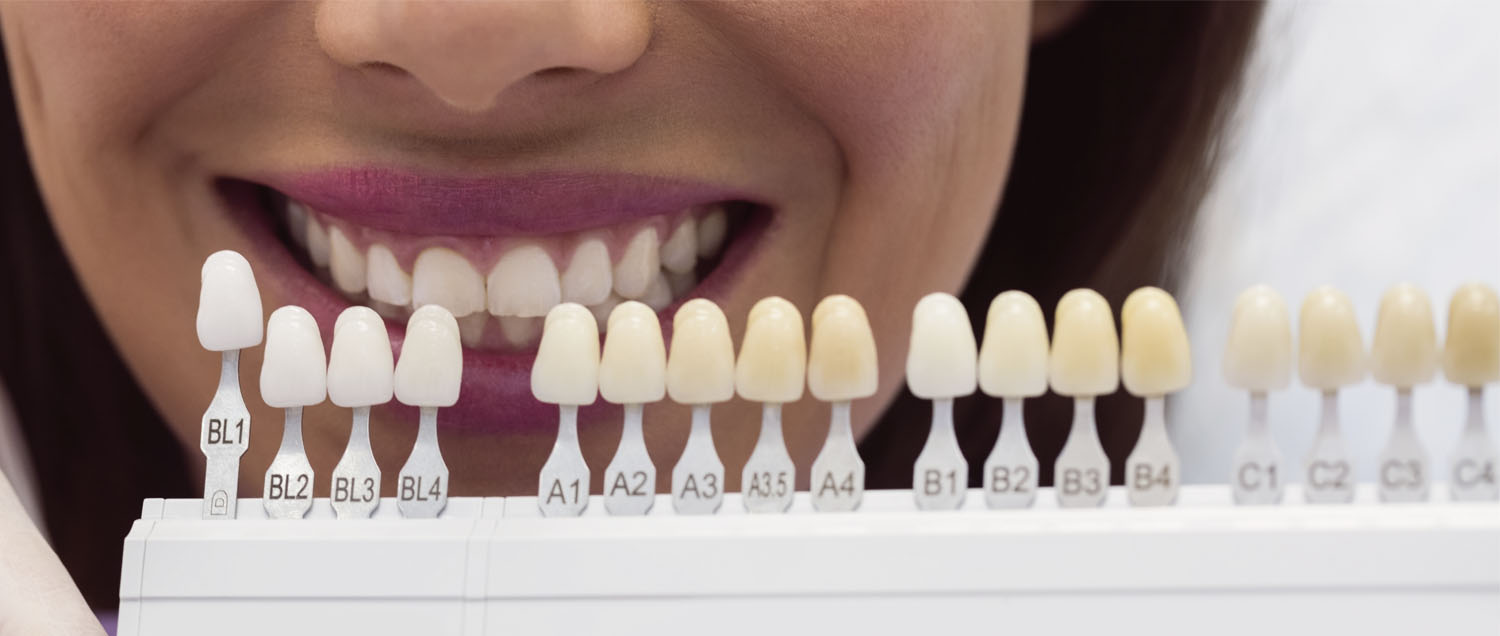
Natural, durable, metal-free zirconium dental crowns with personalized treatment at HairextreM.

Learn how alcohol affects hair transplant recovery and results. Discover optimal timing and helpful guidelines for the best healing outcomes.

Understanding diffuse thinning, its key characteristics, causes, and how it differs from other hair loss patterns.