Ask The HairextreM
Request your free and individual hair analysis from HairextreM Team Simply send the form below and then send your photos.


When you've invested in a hair transplant, you naturally want to do everything possible to support optimal healing and achieve the best results. Understanding how lifestyle choices, including alcohol consumption, affect your recovery helps you make informed decisions during this important period. This guide explores the relationship between alcohol and hair transplant healing, offering practical insights to help you navigate your recovery journey successfully.
Your hair transplant recovery is a remarkable biological process where your body works to integrate the newly transplanted follicles into their new location. During this time, your body is directing resources toward healing, regenerating tissue, and establishing blood supply to the transplanted areas. Supporting this natural healing process with healthy choices creates the ideal environment for excellent results.
The Healing Timeline: The first few weeks after your procedure are particularly important, as this is when the transplanted follicles are settling into their new home and beginning to establish connections with your scalp's blood supply. During this critical period, every choice you make can influence how smoothly and effectively this process unfolds.
Understanding alcohol's effects on your body helps clarify why moderation is beneficial during recovery.
Blood Flow and Circulation: Alcohol affects blood vessel function and circulation patterns. During recovery, optimal blood flow to your scalp is essential for delivering nutrients and oxygen to the healing tissues. When you avoid alcohol, especially in the early recovery period, you're supporting the most efficient circulation to your transplanted follicles.
Hydration Considerations: Alcohol has dehydrating effects on the body, and proper hydration is crucial for healing. When you're well-hydrated, your body can more effectively transport nutrients, remove waste products, and maintain healthy tissue. Focusing on water and hydrating beverages supports your body's natural healing capabilities.
Sleep Quality: Quality sleep is one of your most powerful healing tools. While some people think alcohol helps them sleep, it actually disrupts sleep architecture and reduces the restorative deep sleep phases. Prioritizing natural, restful sleep during recovery gives your body the best opportunity to heal and regenerate.
Immune Function: Your immune system plays a vital role in healing and preventing complications. Supporting your immune function through healthy lifestyle choices, including moderating alcohol intake, helps ensure smooth recovery.
Having a clear timeline helps you plan and make informed choices during your recovery period.
Before Your Procedure: Many surgeons recommend avoiding alcohol for at least a week before your hair transplant. This pre-procedure period allows your body to be in optimal condition for the surgery and initial healing phase. Using this time to establish healthy habits also makes the post-procedure period easier to navigate.
The First Week After Surgery: This is the most critical period for healing. During this time, your transplanted follicles are extremely delicate and your body is working intensively to begin the healing process. Avoiding alcohol during this week gives your body the best environment for successful graft integration.
Weeks Two Through Four: As you move into the second through fourth weeks, healing continues and the transplanted follicles become more established. Many people choose to continue avoiding alcohol during this period or consume only minimal amounts on special occasions. This continued support allows healing to progress optimally.
One Month and Beyond: After about a month, most people can gradually return to moderate alcohol consumption as their surgeon advises. By this point, the initial critical healing phase has passed, and the transplanted follicles are well-established in their new location.
The recovery period offers a wonderful opportunity to explore new habits and discover enjoyable alternatives.
Delicious Non-Alcoholic Options: The world of non-alcoholic beverages has expanded dramatically in recent years. Sparkling water with fresh fruit, herbal teas, fresh-pressed juices, and sophisticated non-alcoholic cocktails (mocktails) offer endless variety and enjoyment. Many people discover new favorite drinks during this period that they continue to enjoy long-term.
Social Situations: If you're concerned about social events during recovery, remember that choosing not to drink is increasingly common and respected. You can bring your own non-alcoholic beverages, be the designated driver (a role people always appreciate), or simply explain you're focusing on your health and recovery. Most people are supportive and understanding.
Stress Relief Alternatives: If you typically use alcohol for relaxation, the recovery period is an excellent time to explore other stress-relief methods. Gentle exercise (once approved), meditation, reading, creative hobbies, spending time in nature, or connecting with friends over coffee or tea all provide relaxation and enjoyment.
Choosing to avoid or minimize alcohol during recovery offers multiple advantages that extend beyond just your hair transplant results.
Enhanced Overall Healing: When you avoid alcohol, you're supporting not just your scalp healing but your overall health. Many people report feeling more energetic, sleeping better, and experiencing improved mental clarity during this period.
Better Hydration: Without alcohol's dehydrating effects, it's easier to maintain optimal hydration. This benefits your skin, energy levels, and overall wellbeing in addition to supporting hair transplant healing.
Establishing Healthy Patterns: The recovery period naturally involves some lifestyle adjustments. Many people find that establishing healthier habits during this time creates positive momentum that continues afterward.
Financial Savings: The money you might typically spend on alcoholic beverages can be redirected toward other recovery supports like high-quality nutritious foods, supplements recommended by your surgeon, or simply saved for future goals.
Avoiding or minimizing alcohol is just one component of supporting excellent recovery outcomes.
Nutrition Focus: Emphasizing nutrient-dense foods provides your body with the building blocks it needs for healing. Lean proteins, colorful vegetables, healthy fats, and whole grains all support tissue repair and hair growth. This is an ideal time to experiment with new healthy recipes and discover nutritious foods you enjoy.
Hydration Strategy: Aim to drink plenty of water throughout the day. Keeping a water bottle with you, setting hydration reminders, or adding fresh fruit slices to your water can make this easier and more enjoyable.
Quality Rest: Prioritize getting 7-9 hours of quality sleep each night. Creating a relaxing bedtime routine, keeping your bedroom cool and dark, and avoiding screens before bed all support restorative sleep.
Gentle Movement: Once your surgeon approves, gentle activities like walking promote healthy circulation and overall wellbeing without stressing the healing scalp.
Stress Management: Finding healthy ways to manage stress—whether through meditation, time in nature, creative pursuits, or social connection—supports both healing and overall life satisfaction.
Setting yourself up for success during the recovery period makes the process smoother and more enjoyable.
Prepare Your Environment: Before your procedure, stock your home with delicious non-alcoholic beverages, nutritious easy-to-prepare foods, and entertainment options that don't revolve around alcohol.
Communicate Your Plans: Let friends and family know about your recovery period and your commitment to avoiding alcohol. Most people are supportive and may even offer to join you in healthier choices.
Set Clear Personal Guidelines: Decide in advance what your approach will be regarding alcohol during recovery. Having a clear plan makes it easier to stick to your commitment without needing to make decisions in the moment.
Celebrate Milestones Differently: Plan ways to celebrate recovery milestones that don't involve alcohol—perhaps treating yourself to a nice meal, a massage, a new book, or an activity you enjoy.
The few weeks or months of avoiding or minimizing alcohol during recovery represent a small investment in time that supports your long-term results. Many people who undergo hair transplants find this period surprisingly easy and even enjoyable, especially when they focus on all the positive aspects of supporting their healing.
Long-Term Results: The choices you make during recovery contribute to your final results. By giving your body the best possible environment for healing, you're supporting the investment you've made in yourself and your appearance.
Personal Growth: Many people discover that temporarily avoiding alcohol provides unexpected insights. Some realize they feel better without it and choose to continue limiting consumption even after recovery is complete. Others simply gain confidence in their ability to make healthy choices when they matter.
Understanding how alcohol affects your hair transplant recovery empowers you to make informed choices that support your goals. The recovery period is temporary, and the habits you establish during this time often have positive ripple effects throughout other areas of your life.
Remember that every person's recovery journey is unique, and your surgeon's specific recommendations should always guide your decisions. By approaching your recovery with commitment to healthy choices, including moderating or avoiding alcohol, you're setting the stage for excellent results and demonstrating investment in your wellbeing.
The path to your hair restoration results involves many small choices that add up to significant outcomes. Choosing to prioritize your recovery over alcohol consumption is one of these powerful choices, and one that your future self will appreciate when you're enjoying your full, natural-looking results.
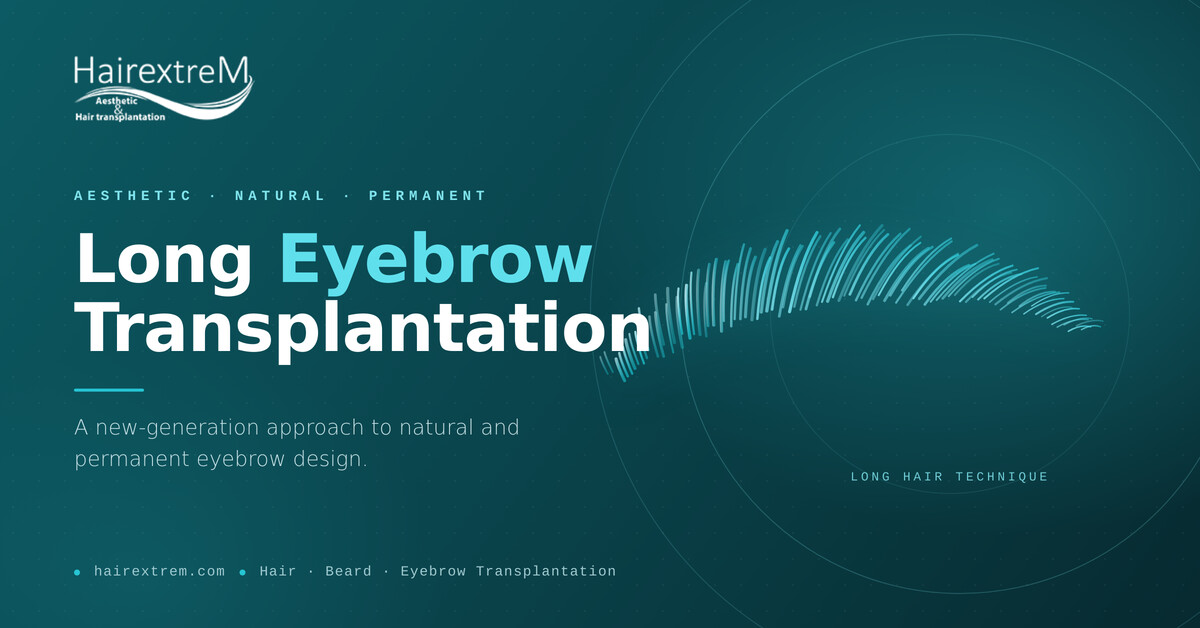
Long eyebrow transplantation is a new-generation eyebrow design method in which donor hairs are transplanted uncut and at full length for the most natural result.
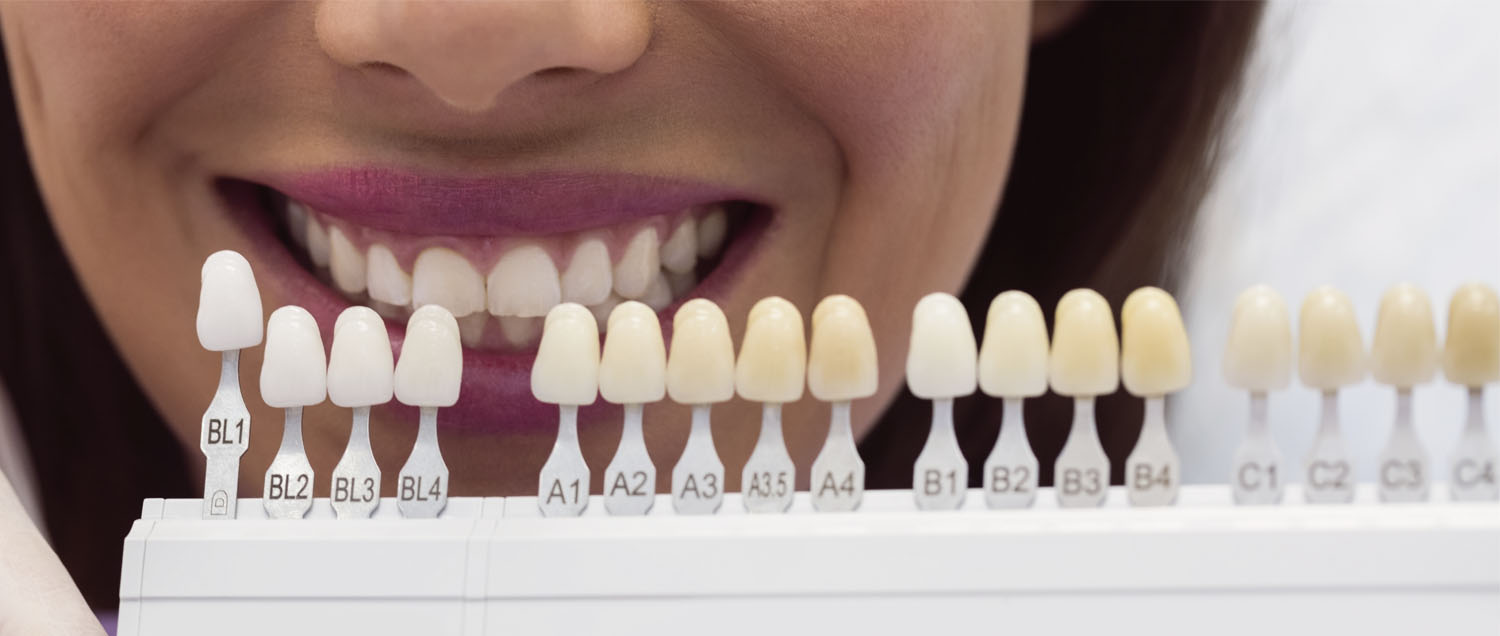
Natural, durable, metal-free zirconium dental crowns with personalized treatment at HairextreM.
Learn how alcohol affects hair transplant recovery and results. Discover optimal timing and helpful guidelines for the best healing outcomes.

Understanding diffuse thinning, its key characteristics, causes, and how it differs from other hair loss patterns.
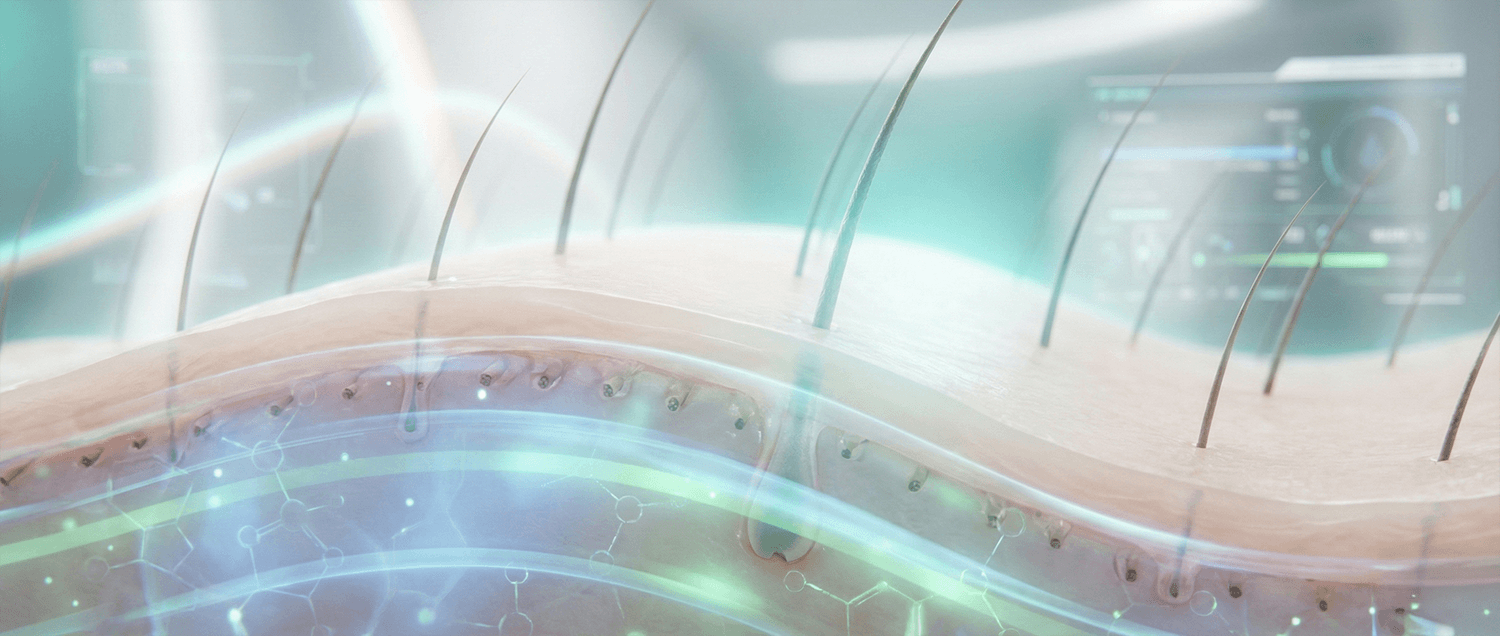
Discover why proper hair care is essential to slow hair loss and strengthen hair follicles. Protect your hair today and prepare for future treatments.