Ask The HairextreM
Request your free and individual hair analysis from HairextreM Team Simply send the form below and then send your photos.

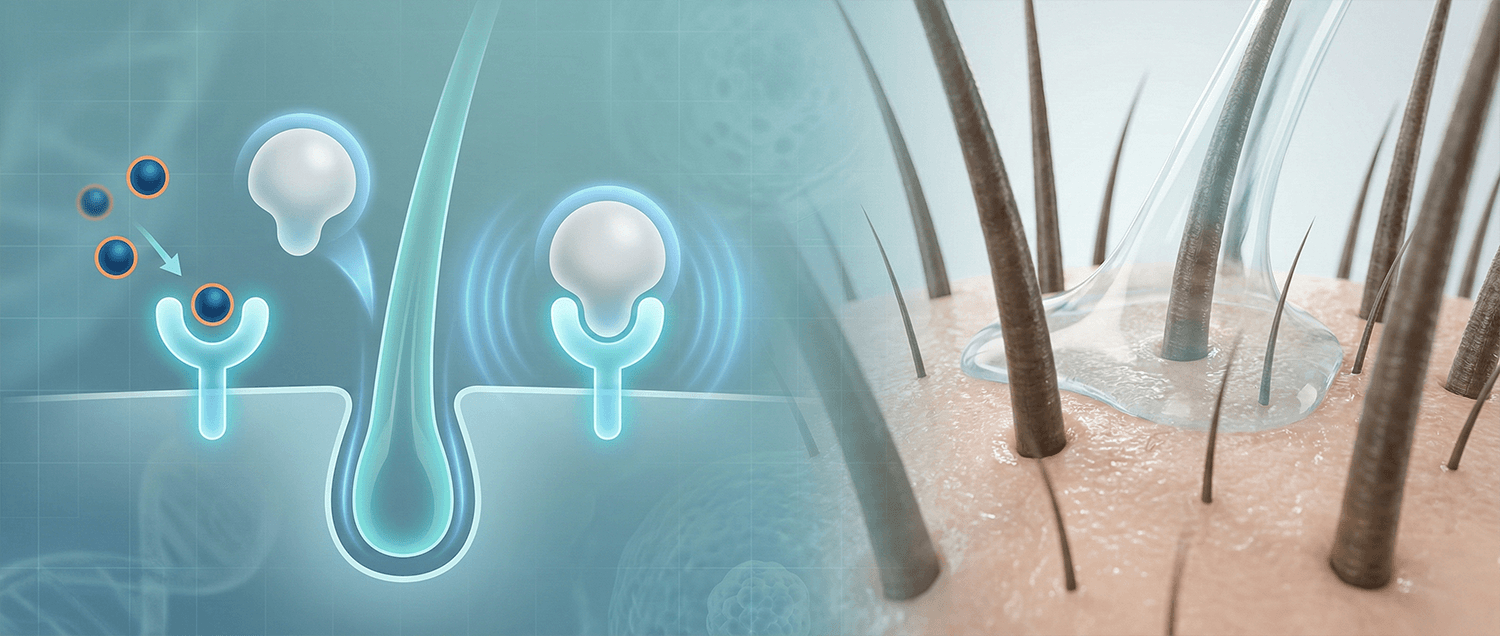
In recent years, alongside classical treatments for hair loss (such as minoxidil and finasteride), intensive research has been conducted on new molecules. One of these molecules, clascoterone, is a promising next-generation topical (applied to the skin) treatment candidate, particularly for male pattern hair loss (androgenetic alopecia).
Clascoterone is currently approved by the FDA only for the treatment of acne in a 1% cream formulation. However, a higher-concentration (5%) solution developed for hair loss is still in the clinical research phase. This indication has not yet received official approval, but its efficacy and safety are being evaluated through large and well-designed clinical studies.
The main mechanism of male pattern hair loss is the binding of the hormone DHT (dihydrotestosterone), derived from testosterone, to androgen receptors in hair follicles, which over time leads to follicle miniaturization. This process causes hair thinning and eventually hair loss.
The mechanism of action of clascoterone is as follows:
According to the results of Phase 3 clinical trials (SCALP-1 and SCALP-2) reported in current research, clascoterone 5% solution, compared to placebo:
However, until all data from these studies are published and long-term results become clear, it is not yet certain whether the product will receive official approval or what its true clinical success rate will be.
Clascoterone should not be regarded as a “miracle” solution that completely reverses hair loss. In particular:
Clascoterone offers a new mechanism that could serve as an alternative to long-standing approaches in the treatment of hair loss. Its localized action and low risk of systemic side effects make it an attractive candidate, especially for patients concerned about hormonal side effects.
Although it is not yet an approved hair loss medication, if ongoing clinical trials yield positive results, it may play an important role in the future treatment of androgenetic alopecia. For now, clascoterone is not a solution that fully restores hair; rather, it is a scientifically promising new approach to slow down hair loss and protect existing hair.
Should you have a hair transplant in winter? Learn the possible advantages of the winter months for aftercare and planning, and how the right timing is determined.
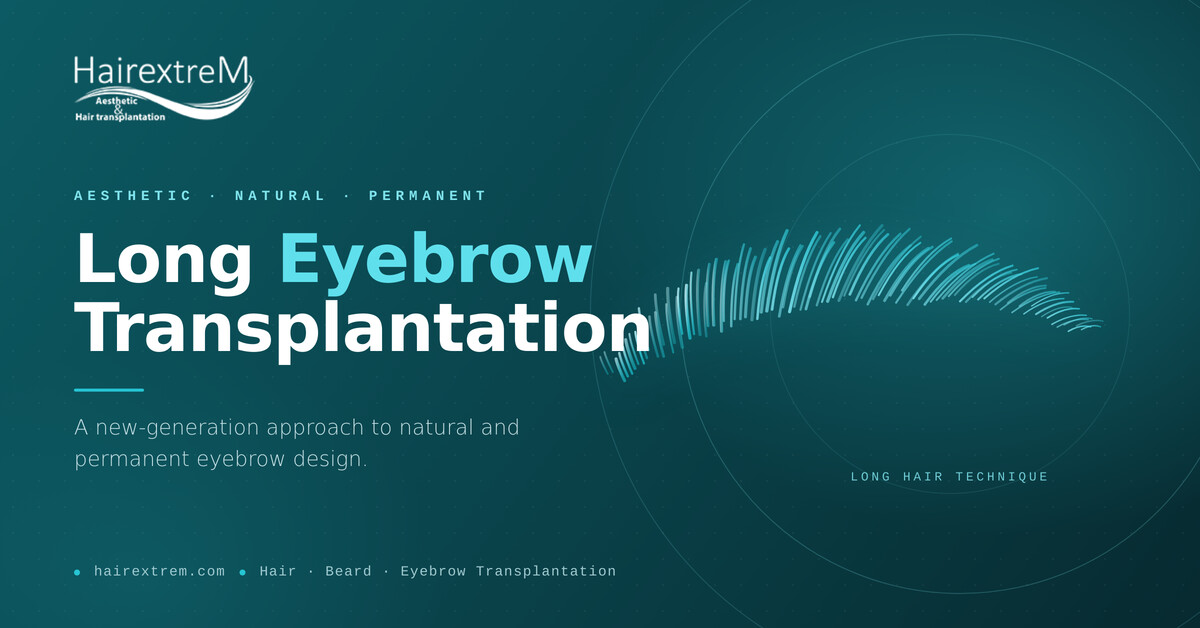
Long eyebrow transplantation is a new-generation eyebrow design method in which donor hairs are transplanted uncut and at full length for the most natural result.
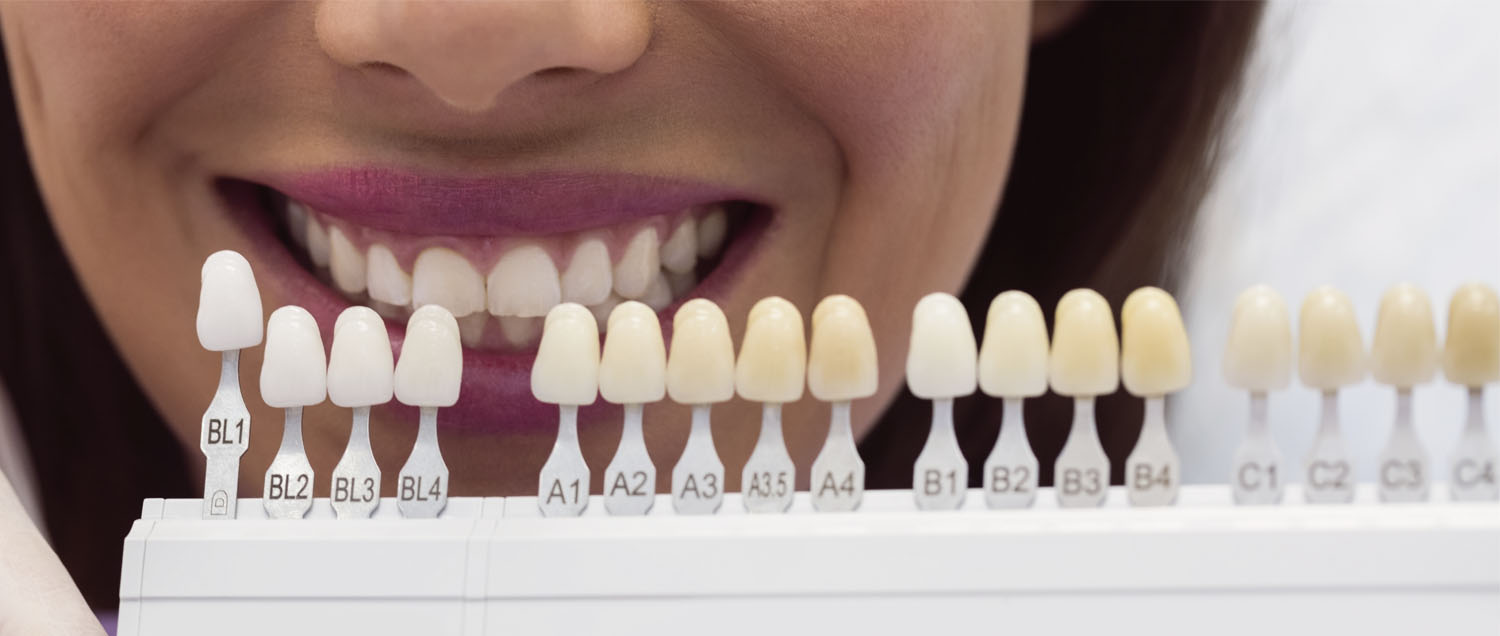
Natural, durable, metal-free zirconium dental crowns with personalized treatment at HairextreM.

Learn how alcohol affects hair transplant recovery and results. Discover optimal timing and helpful guidelines for the best healing outcomes.

Understanding diffuse thinning, its key characteristics, causes, and how it differs from other hair loss patterns.