Ask The HairextreM
Request your free and individual hair analysis from HairextreM Team Simply send the form below and then send your photos.

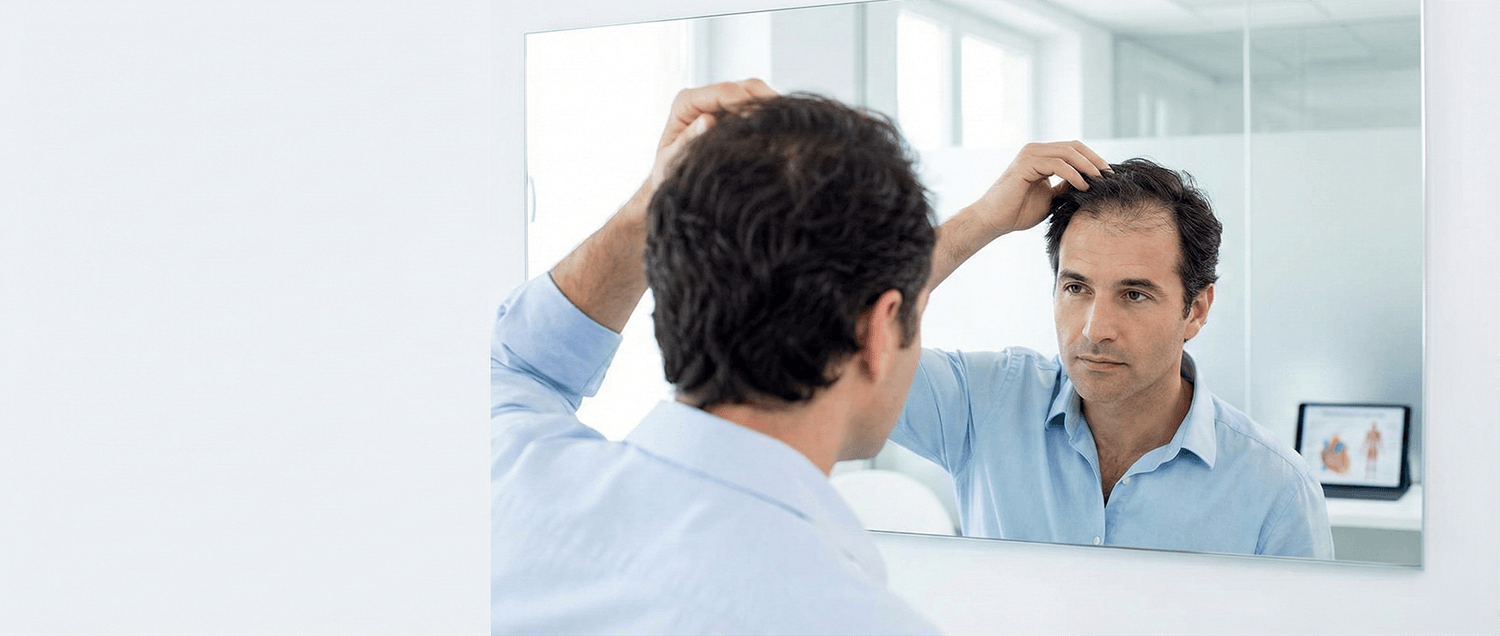
Hair loss can manifest in various ways, and understanding the specific type you're experiencing is the first step toward finding the right solution. Diffuse thinning is one of the most common forms of hair loss, yet it's often misunderstood or confused with other patterns. This comprehensive guide will help you understand what diffuse thinning is, how it differs from other types of hair loss, and what options are available to address it.
Diffuse thinning refers to a gradual, overall reduction in hair density across the entire scalp rather than in specific localized areas. Unlike pattern baldness, which creates distinct bald patches or a receding hairline, diffuse thinning affects the whole head uniformly. Imagine your hair coverage as a forest: with diffuse thinning, the trees don't disappear from one section, but rather the entire forest becomes less dense over time.
Key Characteristics: People experiencing diffuse thinning often notice that their hair feels less full and voluminous than before. You might see more scalp showing through when styling your hair, or your ponytail might feel noticeably thinner. The hairline typically remains intact, which is one of the distinguishing features that sets it apart from other forms of hair loss.
Progressive Nature: Diffuse thinning usually develops gradually over months or even years. This slow progression means that many people don't notice the change immediately, often recognizing it only when comparing current photos to older ones, or when others point out the difference.
Understanding the distinction between diffuse thinning and androgenetic alopecia (pattern baldness) is crucial for determining the best approach to treatment.
Distribution Patterns: Male and female pattern baldness follow specific, predictable patterns. In men, this typically means a receding hairline forming an "M" shape and thinning at the crown. Women with pattern baldness usually experience widening of the part line and thinning primarily at the top of the scalp while maintaining the frontal hairline. Diffuse thinning, conversely, affects the entire scalp evenly without these characteristic patterns.
Underlying Mechanisms: Pattern baldness is primarily driven by genetic factors and hormonal influences, particularly the effect of dihydrotestosterone (DHT) on hair follicles. While diffuse thinning can have hormonal components, it's often related to a broader range of factors including nutritional status, stress levels, health conditions, and lifestyle factors.
Visual Appearance: With pattern baldness, you'll see distinct areas of complete or near-complete hair loss. Diffuse thinning maintains hair coverage across the entire scalp, but with reduced density throughout. Think of it as the difference between losing teeth in specific spots versus all your teeth becoming slightly smaller.
Alopecia areata presents yet another distinct pattern that's important to differentiate from diffuse thinning.
Patch Formation: Alopecia areata is characterized by sudden, round, smooth patches of complete hair loss. These patches are typically coin-sized or larger and appear quite abruptly. The surrounding hair remains normal in density. Diffuse thinning never creates these distinct bald patches.
Speed of Onset: While diffuse thinning develops gradually over extended periods, alopecia areata can appear seemingly overnight. People often wake up to find a smooth bald patch that wasn't there before.
Scalp Appearance: In alopecia areata, the bald patches are completely smooth with no visible hair follicles. With diffuse thinning, you can still see hair follicles and fine hairs across the entire scalp, just in reduced density.
Understanding what contributes to diffuse thinning empowers you to address the underlying factors effectively.
Nutritional Factors: Your hair requires a variety of nutrients to grow and maintain its health. Protein deficiency, low iron levels, insufficient B vitamins, and inadequate zinc can all contribute to diffuse thinning. The good news is that addressing nutritional gaps often leads to noticeable improvements.
Stress and Lifestyle: Both physical and emotional stress can push hair follicles into a resting phase, leading to increased shedding and overall thinning. Major life events, intense work periods, or chronic stress can all play a role. Managing stress through healthy coping mechanisms supports better hair health.
Hormonal Changes: Thyroid imbalances, post-pregnancy hormonal shifts, and perimenopause can all trigger diffuse thinning. These hormonal fluctuations affect the hair growth cycle, but often stabilize with time or appropriate support.
Medications and Treatments: Certain medications can contribute to temporary diffuse thinning. When this is the cause, hair density often improves after completing the treatment course.
Health Conditions: Various health conditions can manifest as diffuse thinning. This is why consulting with healthcare professionals is valuable for getting a complete picture of what might be contributing to your hair changes.
Early recognition allows for earlier intervention, which often leads to better outcomes.
The Ponytail Test: If you regularly wear your hair in a ponytail, you might notice it feels thinner or requires more wraps of the hair elastic to secure. This is often one of the first signs people notice.
Scalp Visibility: When you part your hair or style it, you might notice more scalp showing through than before, especially under bright lighting. Taking photos in consistent lighting can help you track changes over time.
Shower Drain Observation: While everyone sheds hair daily, noticing a significant increase in the amount of hair in your shower drain or on your brush can indicate diffuse thinning.
Hair Texture Changes: Sometimes diffuse thinning is accompanied by changes in hair texture, with hair becoming finer or more fragile.
The encouraging news about diffuse thinning is that many effective options exist to address it.
Nutritional Optimization: Ensuring your diet includes adequate protein, iron, vitamins, and minerals provides your hair follicles with the building blocks they need. A balanced diet rich in lean proteins, leafy greens, nuts, seeds, and whole grains supports healthy hair growth.
Stress Management: Incorporating stress-reduction practices like regular exercise, meditation, adequate sleep, and enjoyable hobbies can positively impact hair health. When you take care of your overall wellbeing, your hair often reflects this improvement.
Topical Treatments: Various topical solutions can help stimulate hair growth and improve density. These work best when started early and used consistently according to directions.
Professional Consultation: Working with healthcare providers and hair restoration specialists allows you to develop a personalized approach. They can help identify any underlying factors and recommend targeted solutions.
Advanced Hair Restoration: For more significant diffuse thinning, modern hair transplantation techniques can effectively restore density. Today's methods are sophisticated and create natural-looking results.
Lifestyle Adjustments: Simple changes like using gentle hair care products, avoiding excessive heat styling, protecting hair from sun damage, and being gentle when brushing wet hair all contribute to maintaining the hair you have.
Addressing diffuse thinning most effectively involves looking at the complete picture of your health and lifestyle. Hair is often a reflection of your overall wellbeing, and improvements in one area frequently benefit others.
Patience and Consistency: Hair growth operates on a slow timeline, with the growth cycle taking months to complete. Any interventions you begin will require several months before you see significant results. Consistency with your chosen approach is key to success.
Tracking Progress: Taking regular photos in similar lighting conditions helps you objectively track changes over time. This can be encouraging as you notice gradual improvements that might be hard to perceive day-to-day.
Understanding that diffuse thinning differs from other forms of hair loss helps you make informed decisions about how to address it. Unlike some other types of hair loss, diffuse thinning often responds well to intervention, especially when addressed early.
The journey to restoring your hair density is highly individual, and what works best varies from person to person. By understanding your specific situation, maintaining realistic expectations, and taking a comprehensive approach to hair health, you're well-positioned to see positive results. Remember that modern solutions offer more options than ever before, and consulting with specialists can help you navigate these choices effectively.
Your hair is part of your identity and confidence, and taking steps to address diffuse thinning is an investment in yourself. With the right approach and patience, many people see significant improvements in their hair density and overall satisfaction with their appearance.
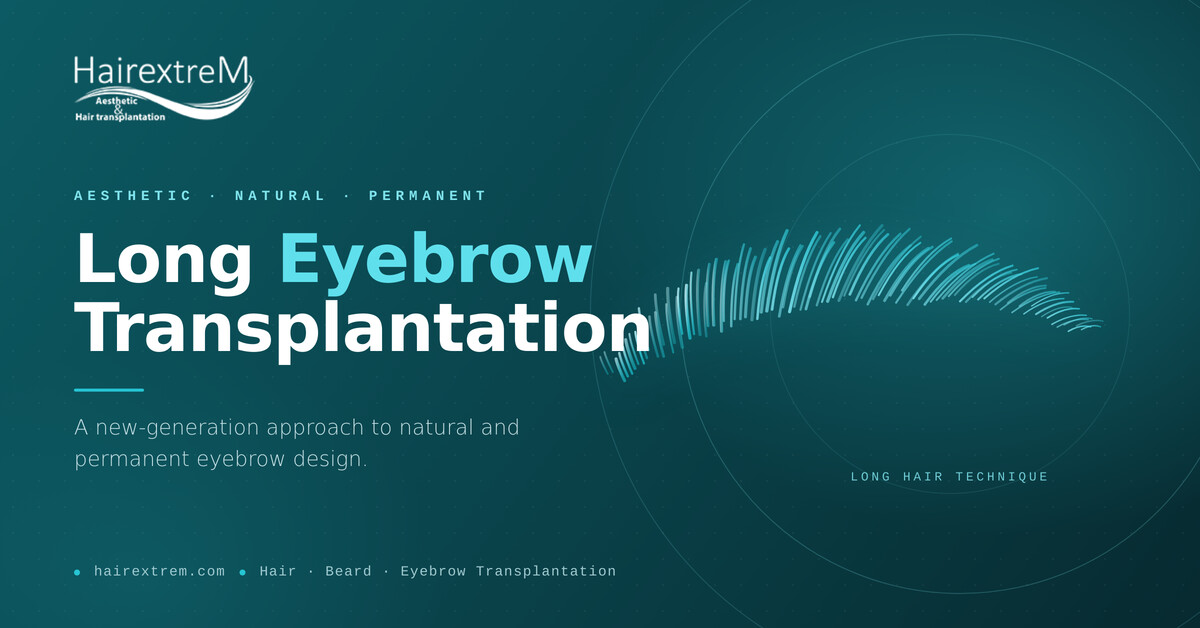
Long eyebrow transplantation is a new-generation eyebrow design method in which donor hairs are transplanted uncut and at full length for the most natural result.
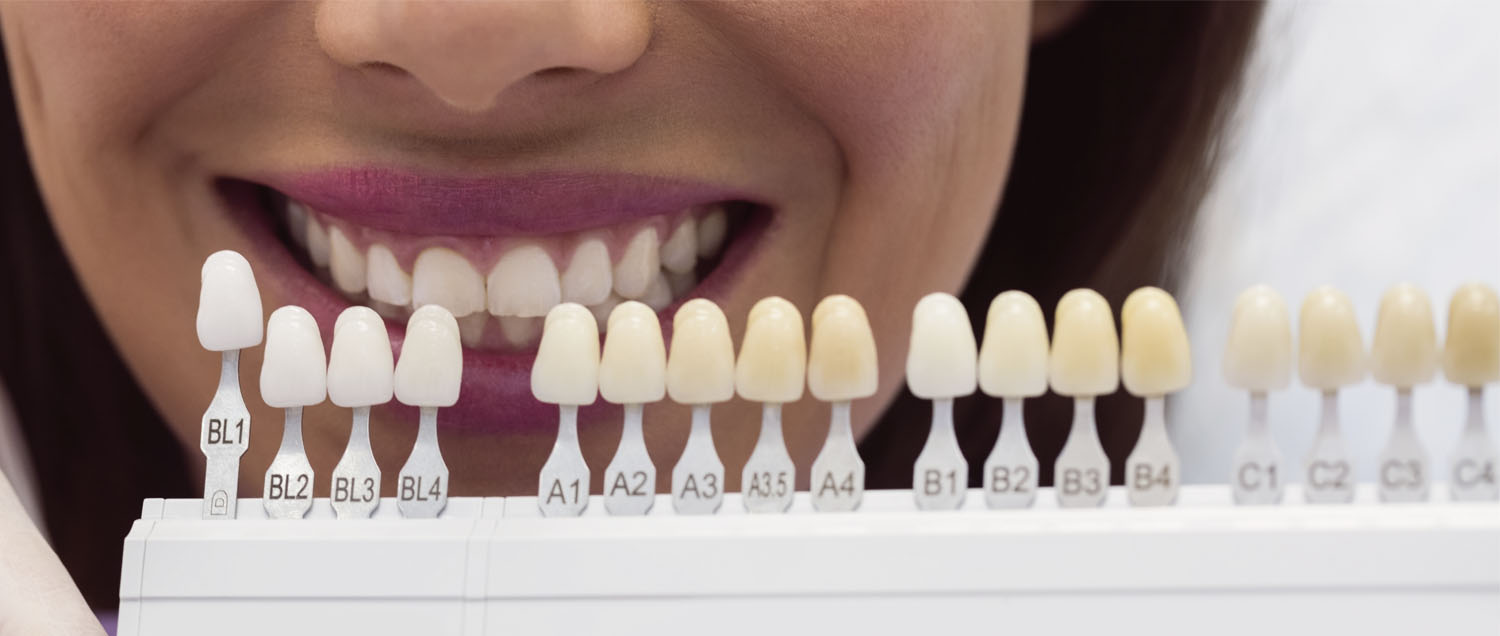
Natural, durable, metal-free zirconium dental crowns with personalized treatment at HairextreM.

Learn how alcohol affects hair transplant recovery and results. Discover optimal timing and helpful guidelines for the best healing outcomes.
Understanding diffuse thinning, its key characteristics, causes, and how it differs from other hair loss patterns.
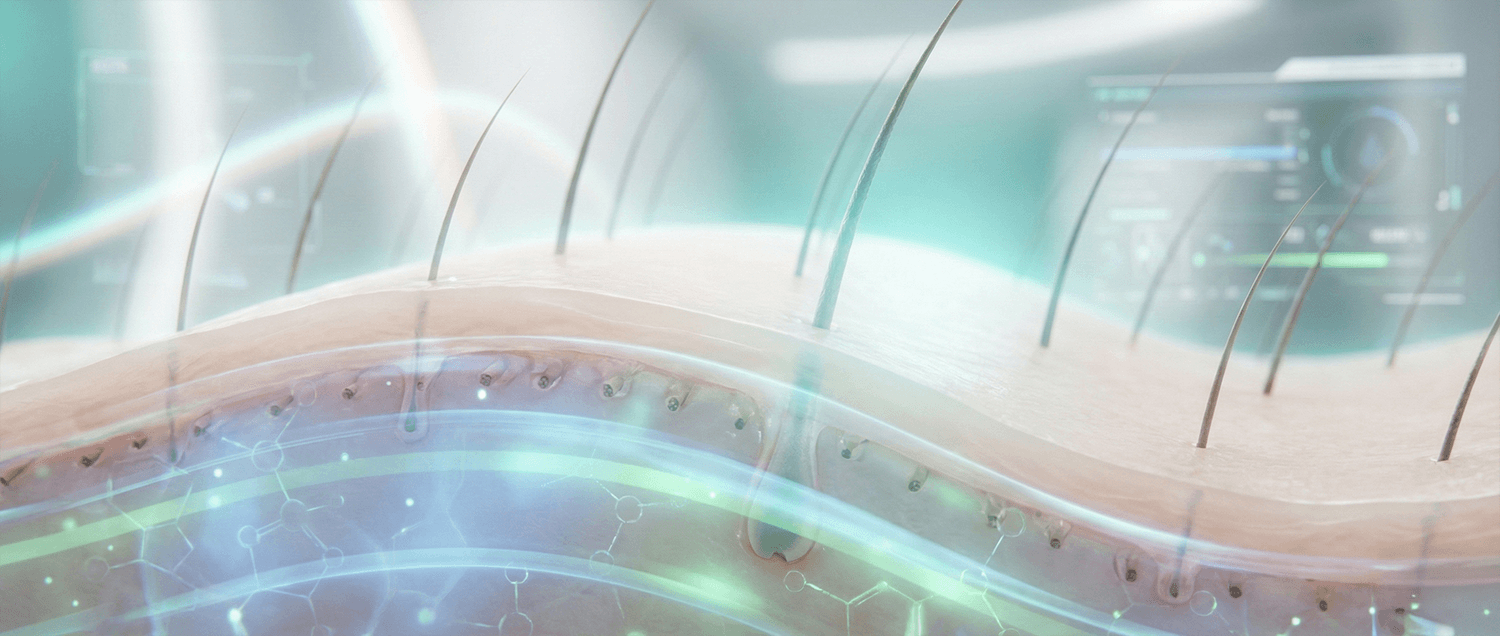
Discover why proper hair care is essential to slow hair loss and strengthen hair follicles. Protect your hair today and prepare for future treatments.