Ask The HairextreM
Request your free and individual hair analysis from HairextreM Team Simply send the form below and then send your photos.


Hair implantation is an exciting step toward achieving fuller, natural-looking hair. The recovery period is your opportunity to support your body's healing process and ensure optimal results. With the right care and attention, you'll be well on your way to enjoying your new appearance. Here's a comprehensive guide to help you navigate the post-procedure period with confidence.
The initial two days after your hair implantation are crucial for establishing a successful recovery. During this time, the newly transplanted follicles are settling into their new location, and gentle care will support this process.
Rest and Elevation: Getting adequate rest is essential during the first 48 hours. When sleeping, keep your head elevated at approximately a 45-degree angle using pillows or a neck support pillow. This position helps minimize swelling and ensures that you don't accidentally disturb the transplanted area. Avoid sleeping on your side or stomach, and try to sleep on your back to prevent any contact with the treated areas.
Cold Compress Application: Applying cold compresses to your forehead can help reduce swelling and provide comfort. Place a clean cloth between the ice pack and your skin, and apply it for 15-20 minutes at intervals. Remember not to apply ice directly to the transplanted area itself—focus on the forehead and areas around the treatment zone.
Gentle Activities: While rest is important, light walking around your home is encouraged as it promotes healthy blood circulation. Avoid any strenuous activities, bending over extensively, or lifting heavy objects during these first critical days.
Proper hair washing technique is one of the most important aspects of your recovery. Your surgeon will typically recommend when to begin washing, often around the second or third day after the procedure.
The First Wash: Your first wash should be exceptionally gentle. Use lukewarm water and a mild, pH-balanced shampoo recommended by your clinic. Create a lather in your hands first, then apply it gently to your scalp using only your fingertips—never scratch or rub vigorously. Let the water flow gently over your head rather than directing a strong stream at the transplanted area.
Daily Washing Routine: Continuing to wash your hair daily for the first two weeks helps keep the scalp clean and supports the healing process. Each wash should follow the same gentle approach, treating your scalp with care and patience. Pat your hair dry with a soft, clean towel rather than rubbing, or let it air dry naturally.
Special Considerations: Your clinic may provide you with a special lotion or foam to apply before washing, which helps soften any crusting and makes the cleaning process easier. Follow their specific instructions carefully for the best results.
What you consume during your recovery period plays a significant role in supporting your body's healing processes.
Stay Well Hydrated: Drinking plenty of water throughout the day supports overall healing and helps maintain healthy blood circulation to your scalp. Aim for at least eight glasses of water daily, and even more if you're in a warm climate or feel thirsty.
Protein-Rich Foods: Protein is essential for tissue repair and hair growth. Incorporate lean meats, fish, eggs, legumes, and dairy products into your meals. Plant-based proteins like quinoa, lentils, and tofu are excellent options as well.
Vitamin and Mineral Support: Foods rich in vitamins A, C, and E, along with B-complex vitamins, support healthy hair growth. Fresh fruits, vegetables, nuts, and whole grains should feature prominently in your diet. Leafy greens, berries, citrus fruits, and sweet potatoes are particularly beneficial.
Zinc and Iron: These minerals are crucial for hair health. Include foods like spinach, pumpkin seeds, lean red meat, and fortified cereals in your diet to ensure adequate intake.
Gradually returning to your normal activity level is an important part of recovery, but timing is everything.
First Week: Stick to light activities like gentle walking. This level of movement is perfect for maintaining circulation without putting stress on your healing scalp.
Weeks Two to Four: You can begin to increase your activity level gradually. Light cardio exercises like brisk walking or using a stationary bike at low intensity are typically fine. Listen to your body and avoid any activities that cause sweating until your surgeon gives you the green light, usually around the two-week mark.
After One Month: Most people can return to their full exercise routine after about four weeks. This includes running, weight training, and more intensive cardio. Swimming is usually permitted once all scabs have fallen off naturally and your surgeon has confirmed that the healing is progressing well.
Your scalp will be sensitive following the procedure, making sun protection essential.
Direct Sun Exposure: For the first few weeks, avoid direct sun exposure on your scalp as much as possible. If you need to go outside, wear a loose-fitting hat that doesn't put pressure on the transplanted area. Bucket hats or loose caps work well.
Sunscreen Application: Once your surgeon approves (typically after about two weeks), apply a gentle, mineral-based sunscreen with at least SPF 30 to your scalp when you'll be outdoors.
Quality sleep supports healing, and making your sleeping environment comfortable will help you rest better.
Bedding Choices: Use clean pillowcases, preferably made of soft, smooth materials like silk or satin. These materials create less friction against your scalp than cotton. Change your pillowcase regularly to maintain cleanliness.
Room Environment: Keep your bedroom at a comfortable temperature—neither too hot nor too cold. Good air circulation helps you stay comfortable without causing dryness.
The recovery period is an excellent time to establish habits that will support your hair health for years to come.
Stress Management: Practice relaxation techniques such as deep breathing, meditation, or gentle yoga (once approved by your surgeon). Managing stress supports overall health and can positively impact hair growth.
Avoid Smoking and Limit Alcohol: These substances can interfere with healing and blood circulation. The recovery period is an ideal time to reduce or eliminate these habits.
Follow-Up Appointments: Attend all scheduled follow-up appointments with your surgeon. These visits allow your medical team to monitor your progress and address any questions you may have.
Understanding what to expect during recovery helps you stay positive and patient throughout the process.
First Month: You'll notice the transplanted hair shedding, which is completely normal. The follicles are settling in and preparing for new growth.
Months Two to Four: You may see some new hair beginning to emerge. This growth will initially be fine and thin.
Months Six to Twelve: This is when you'll see significant improvement, with thicker, fuller hair becoming visible. By the end of the first year, most people see their final results.
Recovery from hair implantation is a journey that requires patience and care. By following these guidelines and maintaining a positive outlook, you're setting yourself up for excellent results. Remember that everyone's healing timeline is unique, and comparing your progress to others isn't helpful. Focus on taking care of yourself, following your surgeon's specific instructions, and looking forward to the natural, lasting results that await you.
Your commitment to proper aftercare demonstrates your investment in yourself and your appearance. With each passing day, you're one step closer to enjoying the full, healthy head of hair you've been working toward.
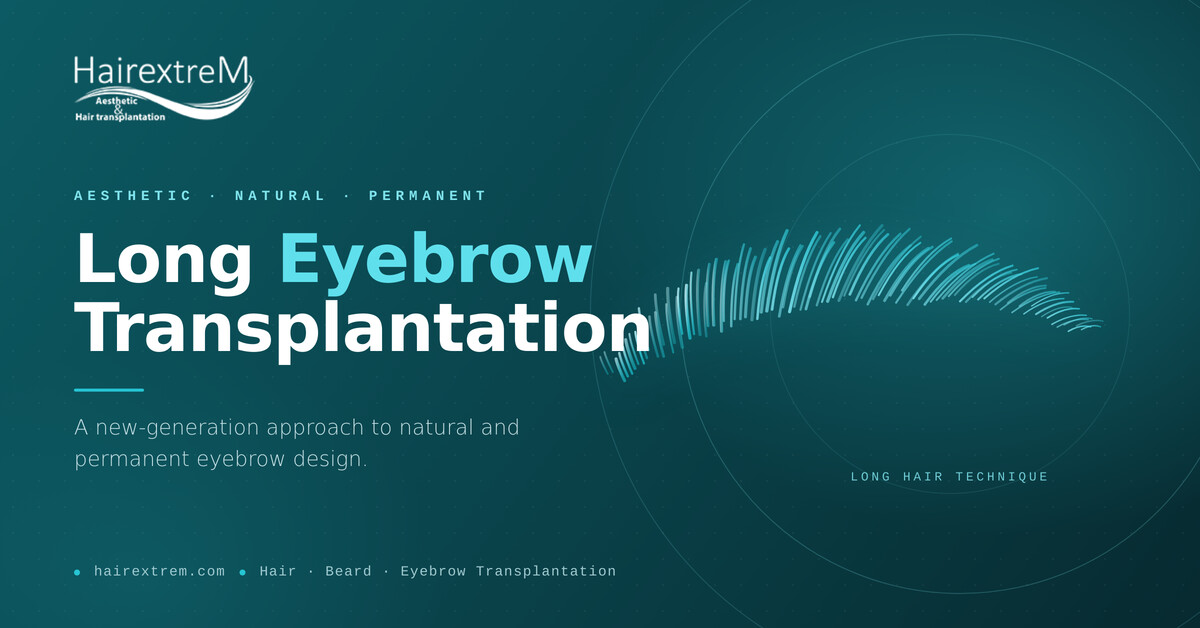
Long eyebrow transplantation is a new-generation eyebrow design method in which donor hairs are transplanted uncut and at full length for the most natural result.
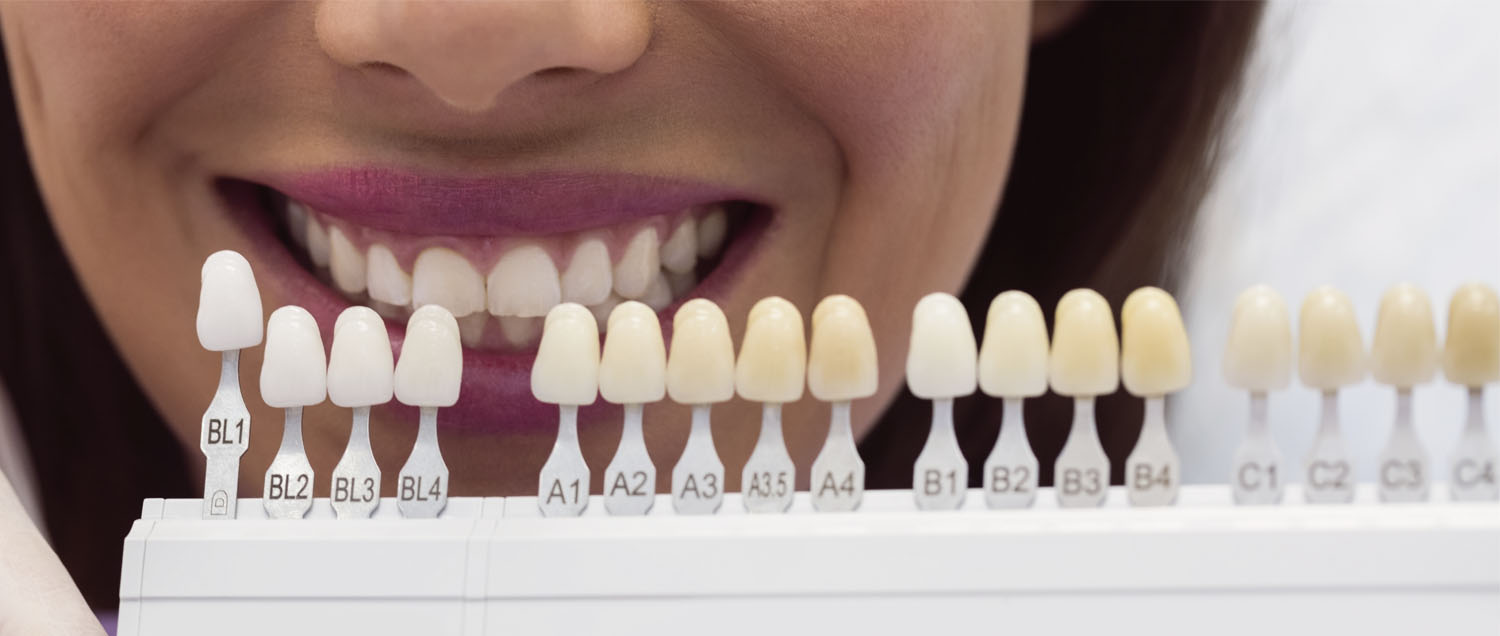
Natural, durable, metal-free zirconium dental crowns with personalized treatment at HairextreM.

Learn how alcohol affects hair transplant recovery and results. Discover optimal timing and helpful guidelines for the best healing outcomes.
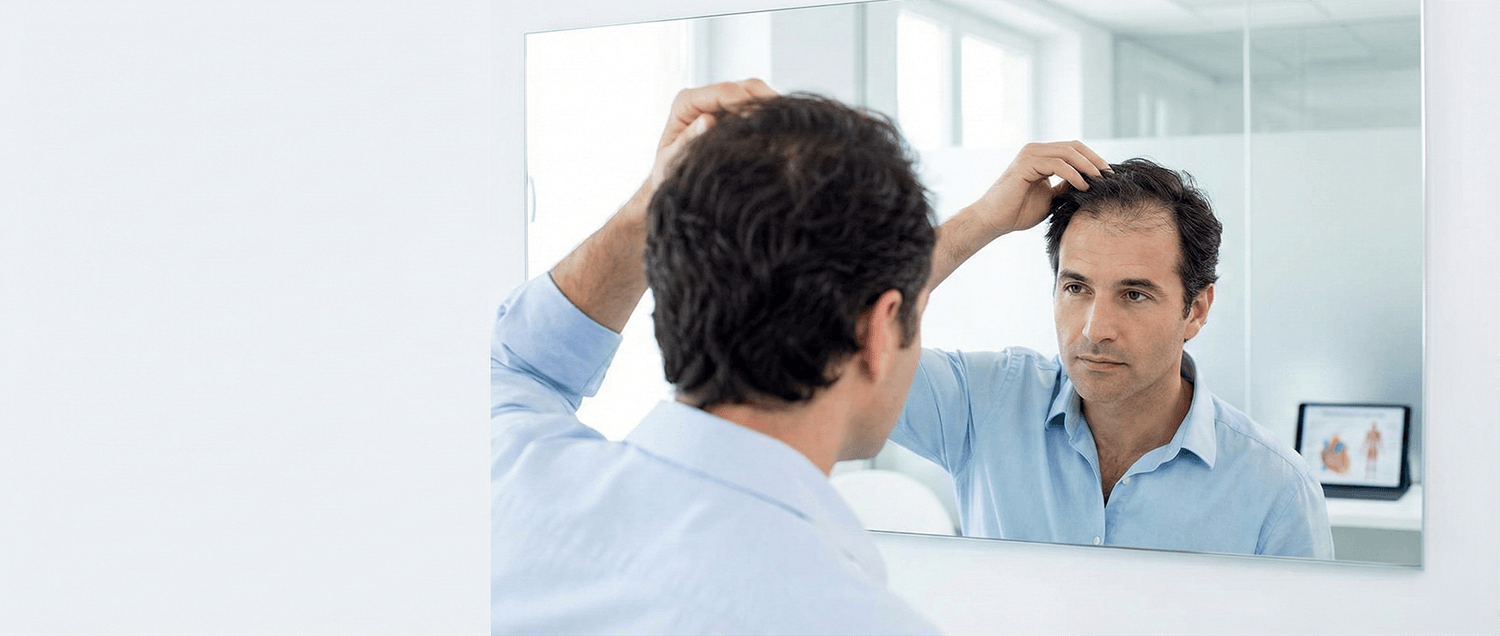
Understanding diffuse thinning, its key characteristics, causes, and how it differs from other hair loss patterns.
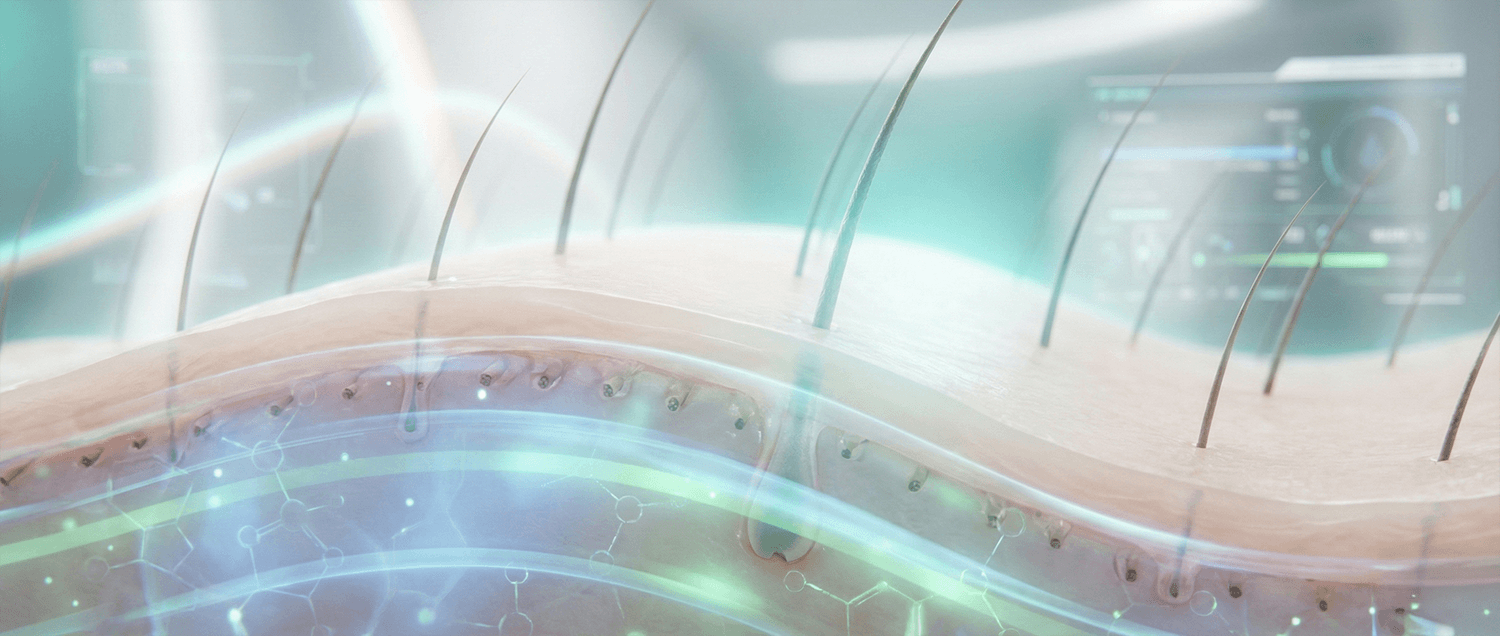
Discover why proper hair care is essential to slow hair loss and strengthen hair follicles. Protect your hair today and prepare for future treatments.