Ask The HairextreM
Request your free and individual hair analysis from HairextreM Team Simply send the form below and then send your photos.

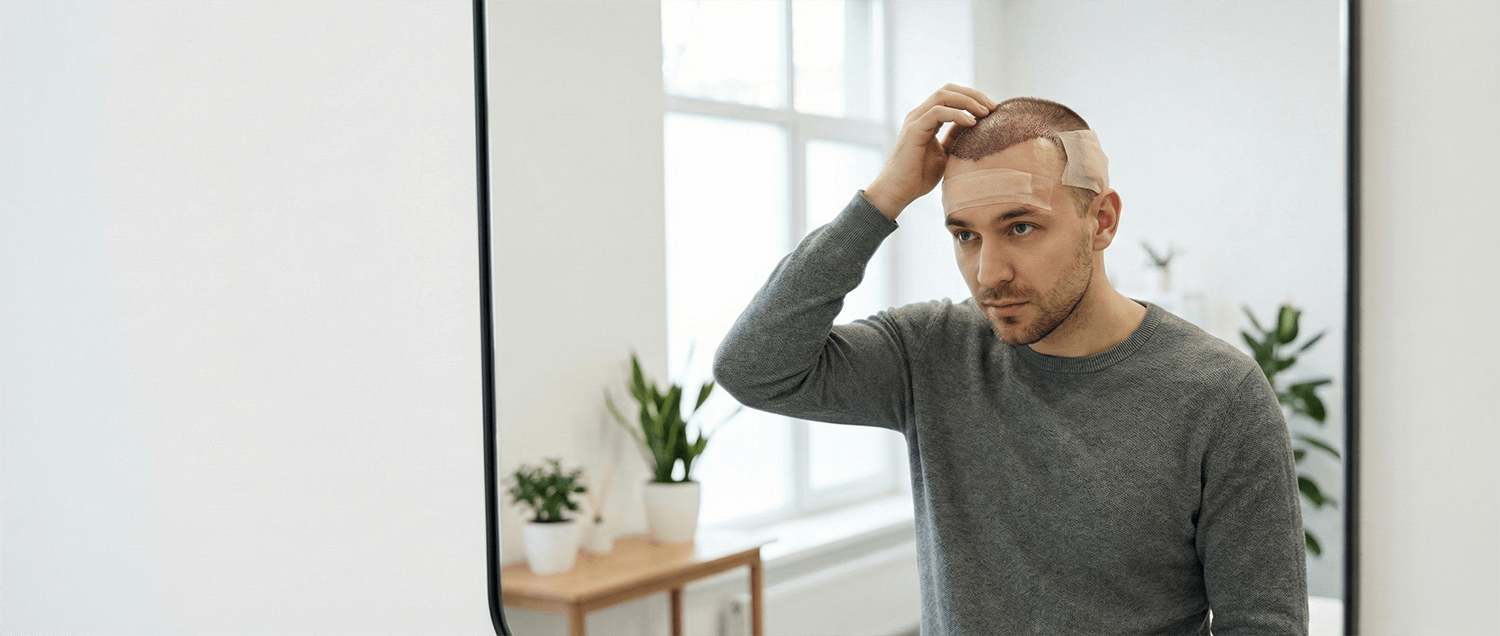
A hair transplant is an important step toward fuller, natural-looking hair. Once the procedure is complete, the focus shifts to supporting the healing process and helping your newly transplanted grafts settle comfortably. By being mindful of certain habits and routines during recovery, you can create the ideal environment for long-term success.
Rather than thinking in terms of restrictions, it’s more helpful to view this period as a time to give your scalp the care and attention it deserves.
In the first days after a hair transplant, the scalp may feel sensitive or slightly tight. While this is completely normal, it’s best to let the area heal naturally. Keeping your hands away from the transplanted zone allows grafts to anchor securely and supports a smooth recovery.
If you experience mild itching, following your clinic’s recommended aftercare routine will help keep the scalp comfortable.
Your scalp is especially delicate after a hair transplant. Giving it a break from direct sunlight helps maintain a calm and balanced healing environment. When going outdoors, choosing shaded areas or wearing a loose, breathable hat (once approved by your doctor) can be a simple and effective way to protect your scalp.
Gentle movement is always beneficial, but during the early recovery phase, it’s best to pause intense workouts and strenuous activities. Allowing your body to focus on healing helps ensure that your grafts settle properly. Light walks and relaxed daily routines are usually ideal during this time.
After a hair transplant, your scalp benefits most from simple, doctor-approved products. Avoid experimenting with styling gels, sprays, or harsh shampoos until your specialist confirms it’s safe. Using the recommended products helps maintain scalp comfort and supports healthy hair growth.
Rest is essential for recovery. Choosing a sleeping position that avoids direct contact with the transplanted area helps keep grafts undisturbed. Many patients find that sleeping slightly elevated and on their back during the first days provides added comfort and peace of mind.
Giving your body the best conditions to heal includes supporting healthy circulation. Taking a short break from smoking and alcohol allows your body to focus fully on recovery and nourishment, which contributes positively to the overall healing experience.
Every hair transplant is unique, and your clinic’s aftercare instructions are tailored specifically for you. Staying consistent with these guidelines helps ensure a smooth recovery journey and supports the natural growth of your transplanted hair.
Protecting your hair transplant grafts is not about strict limitations—it’s about gentle care, patience, and mindful choices. By avoiding certain activities temporarily and focusing on proper aftercare, you give your new hair the best possible foundation to grow strong and natural.
With the right approach, the recovery period becomes a calm and positive step toward enjoying your long-term results.
The early recovery phase is especially important, but caring for your scalp doesn’t end there. Most patients find that the first 7–14 days are the key adjustment period, followed by a gradual return to normal routines. As weeks pass, your transplanted hair becomes more resilient, and daily care feels increasingly effortless.
Your specialist will guide you on exactly when you can resume activities like exercise, styling, or sun exposure, ensuring a smooth transition back to your usual lifestyle.
Small daily choices can make a meaningful difference in how comfortable and confident you feel during recovery. Staying well-hydrated, maintaining a balanced diet, and getting quality sleep all help your body support the healing process naturally.
These habits don’t just benefit your hair—they contribute to overall well-being and long-term satisfaction with your results.
Your clinic will typically show you how to wash your hair gently in the first days. Over time, you’ll transition back to your regular routine using approved products, once your scalp feels settled and comfortable.
Yes, once your doctor confirms it’s safe. A loose, breathable hat can be a helpful option when going outdoors, especially for comfort and sun protection.
Hair growth is a gradual and natural process. Many patients begin to notice visible changes within a few months, with fuller results developing over time. Patience is part of the journey—and the results are worth it.
Instead of focusing on what not to do, it helps to adopt a mindset of support and awareness. Your scalp has just undergone a delicate process, and giving it calm, consistent care allows everything to settle into place naturally.
Think of this phase as laying the groundwork for healthy, long-lasting hair.
Long eyebrow transplantation is a new-generation eyebrow design method in which donor hairs are transplanted uncut and at full length for the most natural result.
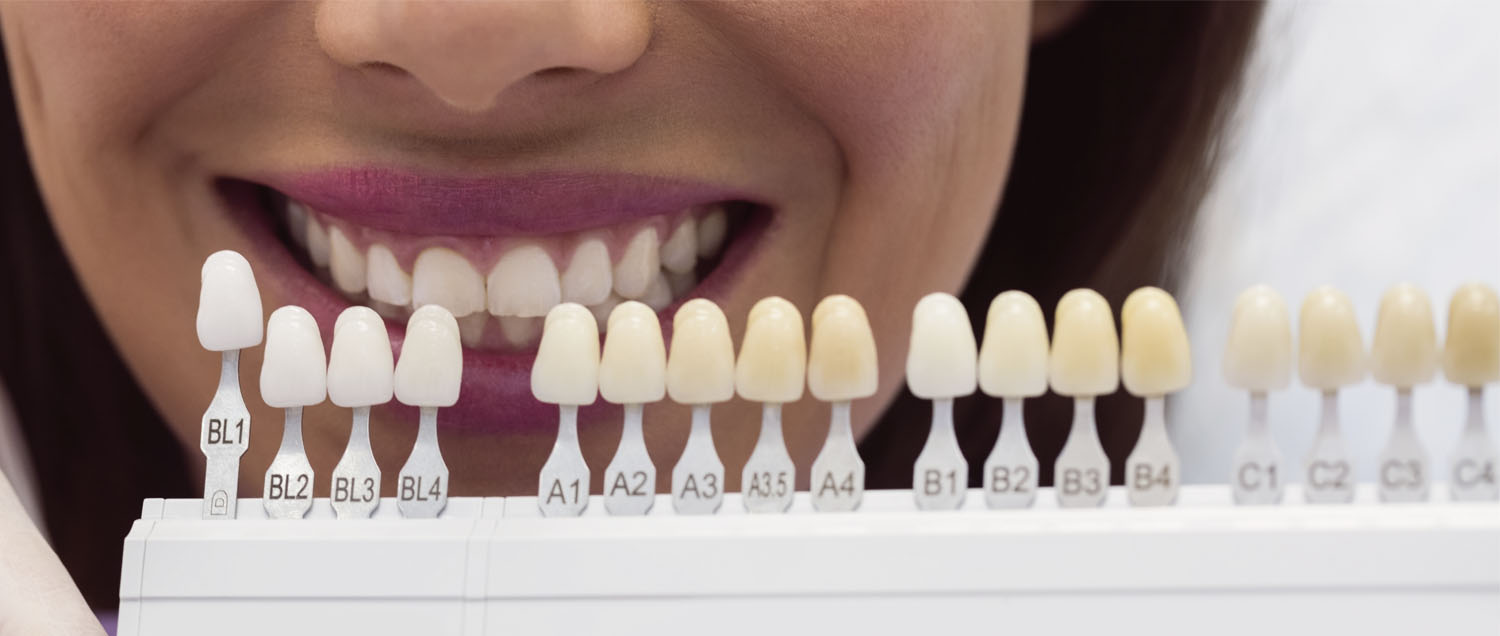
Natural, durable, metal-free zirconium dental crowns with personalized treatment at HairextreM.

Learn how alcohol affects hair transplant recovery and results. Discover optimal timing and helpful guidelines for the best healing outcomes.
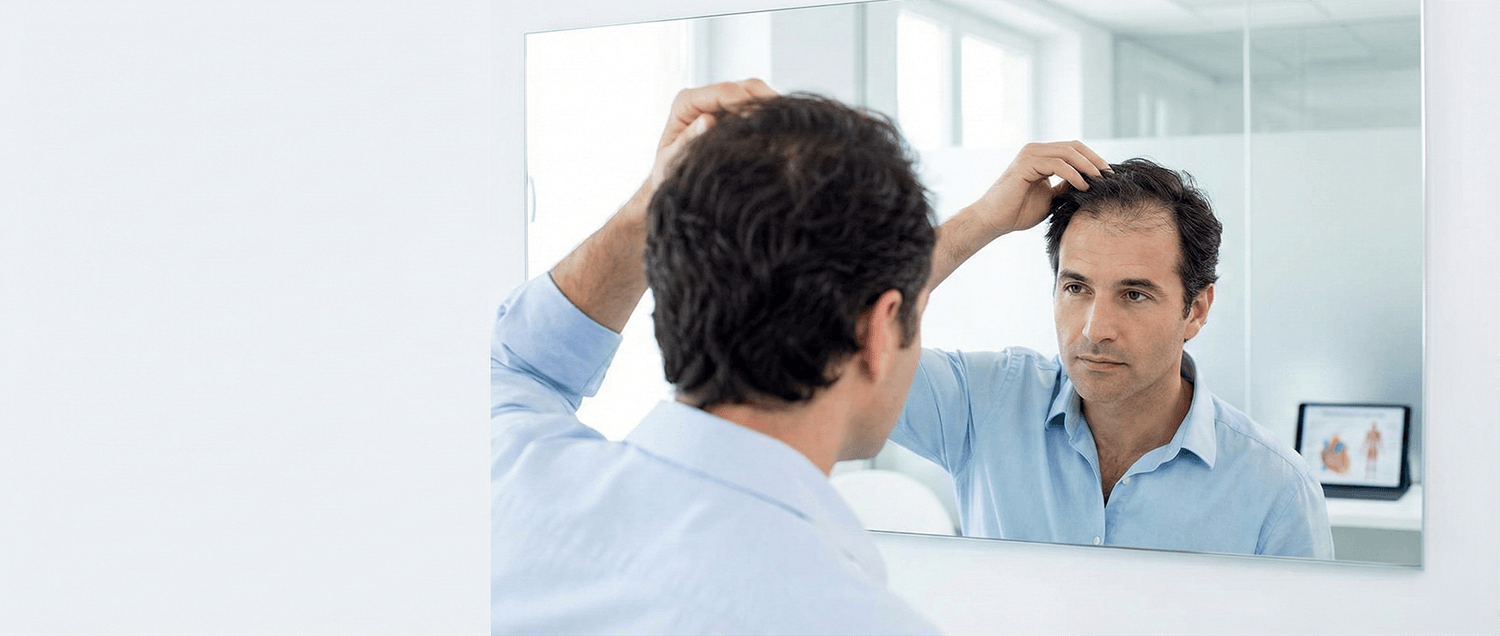
Understanding diffuse thinning, its key characteristics, causes, and how it differs from other hair loss patterns.
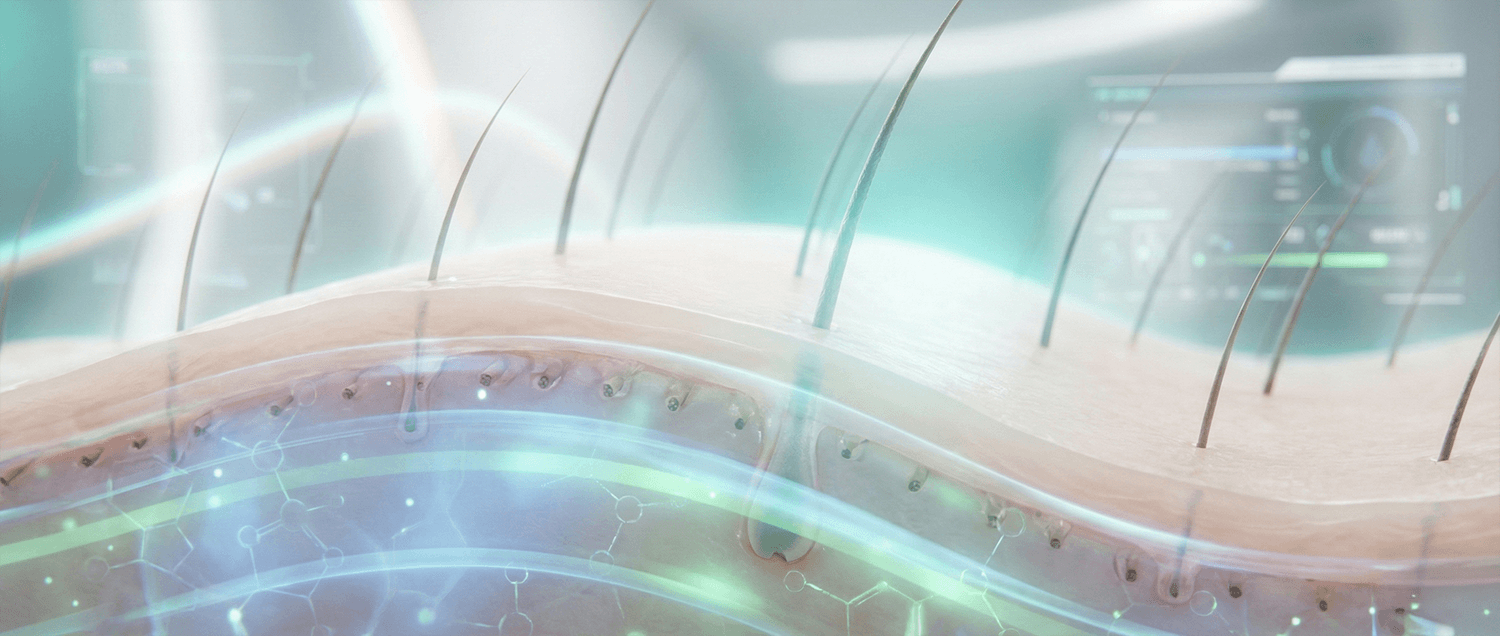
Discover why proper hair care is essential to slow hair loss and strengthen hair follicles. Protect your hair today and prepare for future treatments.